
Unlocking New Frontiers: The Impact of India-EU FTA on Medical Value Added Travel
1/29/20265 min read
Understanding the India-EU Free Trade Agreement (FTA)
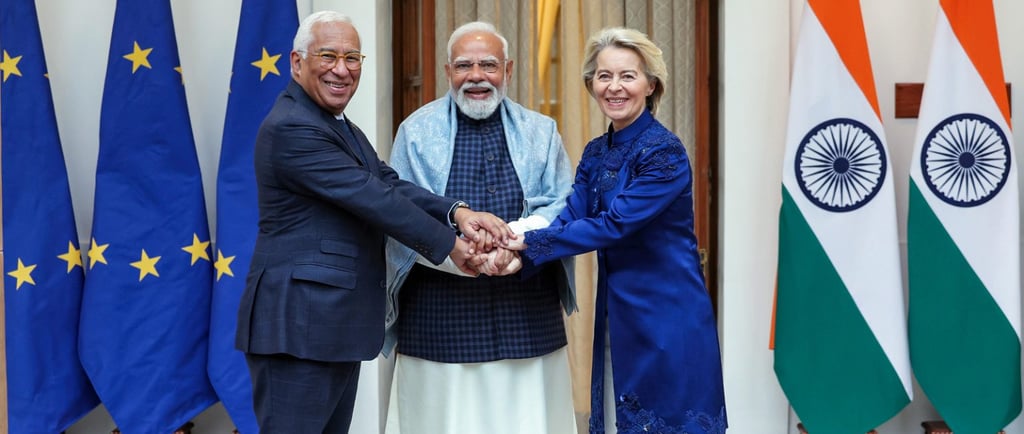
The India-European Union Free Trade Agreement (FTA) represents a significant initiative aimed at enhancing economic cooperation and trade between India and the EU. One of the primary objectives of this agreement is to reduce trade barriers, thereby facilitating a smoother exchange of goods and services. By establishing a framework that encourages trade liberalization, the FTA aims to bolster the economic ties between the two regions, paving the way for enhanced bilateral relations.
Key provisions of the India-EU FTA include the reduction or elimination of tariffs on a wide range of products, streamlined customs processes, and enhanced regulatory cooperation. Specifically, in the healthcare sector, the agreement proposes measures that encourage the collaboration between medical institutions in India and the EU, promoting knowledge sharing and best practices. The FTA also aims to attract investments in the healthcare infrastructure, boosting the overall capacity of hospitals and clinics to cater to both local and international patients.
Moreover, the FTA has a distinct focus on the burgeoning sector of medical value-added travel. This aspect of the agreement is designed to attract European patients to India for medical treatments, leveraging the competitive pricing and advanced healthcare services available in the country. By establishing legal frameworks for the acknowledgment of medical qualifications and the standards required for healthcare services, the agreement seeks to ensure that patients receive high-quality care, thereby enhancing India's reputation as a destination for medical tourism.
The mutual benefits of the India-EU FTA extend beyond immediate economic gains. It is expected that increased cooperation in healthcare will lead to a healthier population in both regions and create opportunities for cross-border partnerships in medical research, clinical trials, and pharmaceutical innovations. Through such collaborative efforts, the FTA aims to unlock new avenues for growth and development in the field of medicine, benefiting individuals and economies alike.
India’s Role as the 'Pharmacy of the World'
India's ascendancy as a global healthcare hub is reinforced by its monumental reputation as the 'Pharmacy of the World.' This designation is not merely a reflection of its vast pharmaceutical manufacturing capabilities, but also highlights its role in providing affordable and high-quality medications to countless countries. With a market that produces over 60% of the world's vaccines and a significant share of generic medicines, India’s pharmaceutical industry plays a pivotal role in drug supply and accessibility, cementing its status on the global stage.
Beyond pharmaceuticals, India is making notable strides in medical technology. The country is witnessing rapid advancements in medical devices and innovative healthcare solutions. Numerous startups are emerging with breakthrough technologies that cater not only to domestic needs but also to international markets. Such innovations, coupled with competitive pricing, enable India to attract foreign patients seeking medical procedures at a fraction of costs compared to developed nations.
Furthermore, the availability of highly skilled medical professionals contributes significantly to India’s growing reputation as a premier destination for medical value-added travel. The country boasts some of the world's leading doctors and specialists, many of whom have received training from esteemed institutions abroad. The healthcare facilities, particularly in metropolitan cities, are equipped with state-of-the-art technology and adhere to international standards, ensuring that patients receive world-class care. This amalgamation of experienced professionals and quality healthcare facilities positions India as a prime option for those seeking medical treatments.
With its competitive pricing, extensive medical services, and a growing foothold in technological advancements, India is poised to further enhance its role in the global healthcare landscape. This burgeoning reputation not only benefits Indian healthcare providers but also the international patients who seek specialized care and treatment options abroad.
New Opportunities in Medical Value Added Travel Post-FTA
The recent India-European Union Free Trade Agreement (FTA) has opened distinctive avenues for the burgeoning sector of Medical Value Added Travel (MVAT). This development is not only expected to enhance international relations between India and EU member states but also serve as a catalyst for patients seeking quality healthcare services. As barriers to trade in medical services diminish, a significant influx of European patients is anticipated to travel to India for specialized treatments.
One of the promising aspects of this agreement is the facilitation of cross-border healthcare services that prioritize accessibility and affordability. A considerable proportion of patients are increasingly exploring treatment options abroad, driven by the rising costs of healthcare within their home countries. The FTA is poised to streamline processes such as visa applications and medical accreditation, thereby encouraging a smoother travel experience for patients. In India, improved infrastructure and advanced medical facilities will cater to a variety of medical specialties, notably orthopedics, cardiology, and oncology, attracting patients desiring high-quality care.
Moreover, industry statistics reinforce the expectation for growth in this sector. For instance, data from the Medical Tourism Index suggests that India ranks highly, attracting over 500,000 international patients annually, with Europe contributing a significant share. Real-life case studies exemplifying this trend can be observed in multiple healthcare facilities across India, where European patients have shared positive experiences regarding their treatments, often leading to recommendations to others. Institutions that have leveraged the advantages offered by this FTA are already reporting improved service delivery and increased patient footfall, thereby enhancing their brand reputation.
In essence, the India-EU FTA is a strategic development likely to redefine the landscape of medical value added travel, fostering a flourishing environment for both healthcare providers and patients in the near future.
Challenges and Considerations Ahead
The India-EU Free Trade Agreement (FTA) holds the potential to significantly enhance medical value added travel, offering a range of opportunities for both regions. However, it is essential to critically evaluate the challenges that may arise in this dynamic landscape. One prominent challenge is the regulatory hurdles that can impede seamless cooperation between Indian medical facilities and EU standards. Compliance with diverse regulatory frameworks can be cumbersome, impacting the efficiency of cross-border medical services.
Quality assurance represents another significant consideration. Maintaining consistent quality across medical services is paramount to instilling confidence in potential patients. If Indian healthcare providers are to attract European patients, they must adhere to strict quality guidelines and effectively communicate these standards to prospective clients. Implementing comprehensive accreditation processes and highlighting success stories can serve as essential strategies to address this issue.
Moreover, the need for improved healthcare infrastructure in India cannot be overlooked. While many Indian hospitals already boast state-of-the-art facilities, expanded infrastructure is crucial to accommodate an influx of international patients. Investments in advanced medical technologies and healthcare facilities will not only improve patient care but also elevate India's position as a preferred destination for medical tourism.
To navigate these challenges, various stakeholders—including Indian medical institutions and government bodies—must adopt a collaborative approach. Establishing public-private partnerships can enhance infrastructure development and increase access to necessary resources. Furthermore, conducting regular training programs for healthcare professionals will ensure they are well-equipped to meet the evolving demands of medical value added travel.
Implementing these strategies will require a concerted effort from all parties concerned. Emphasizing quality, regulatory compliance, and infrastructural enhancement will lay the foundation for a sustainable and beneficial medical tourism sector in the context of the India-EU FTA.